This is the multi-page printable view of this section. Click here to print.
Things to Do
- 1: Attractions
- 2: Beaches
- 3: Walks/Hikes
- 3.1: Locations
- 3.2: Craflwyn
- 3.3: Plas Newydd
- 3.4: Morfa Nefyn
- 3.5: Ty Mawr
- 4: Eryri (Snowdonia)
- 5: Towns & Villages
- 6: Castles
- 6.1: Caernarfon
- 6.2: Dolbadarn
- 6.3: Criccieth
- 6.4: Tomen y Mur
- 6.5: Cymer Abbey
1 - Attractions


2 - Beaches
|
|
|
|---|
3 - Walks/Hikes
3.1 - Locations
|
|
|---|
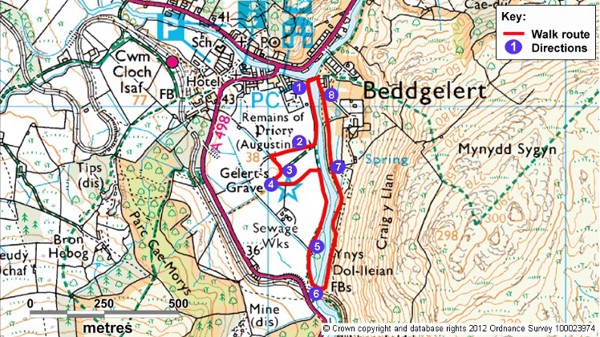
3.2 - Craflwyn
Craflwyn, Beddgelert, Gwynedd, LL55
|
|
|---|
3.3 - Plas Newydd
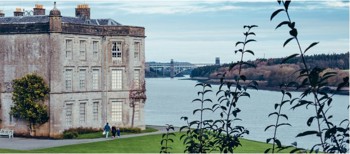
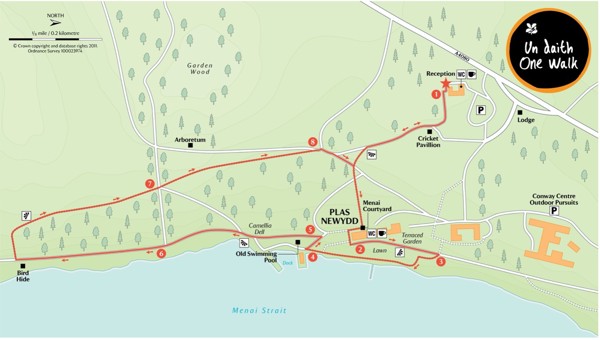
Plas Newydd, Llanfairpwll, Anglesey, LL61 6DQ
|
|
|---|
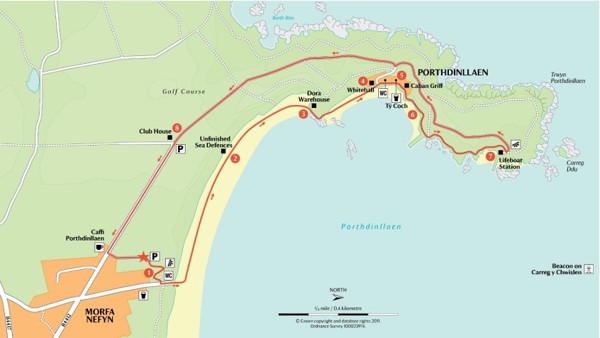
3.4 - Morfa Nefyn
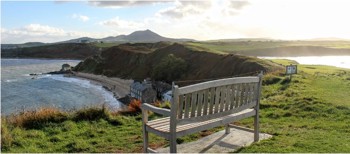
Morfa Nefyn, Gwynedd
|
|
|---|
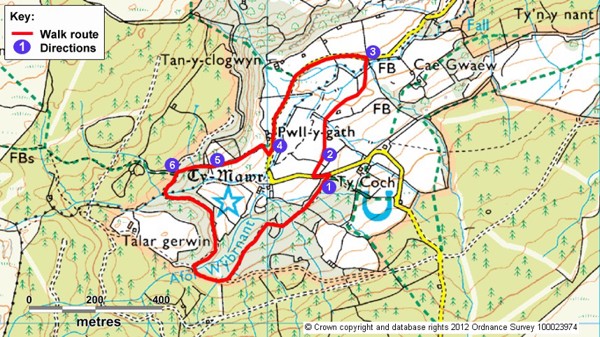
3.5 - Ty Mawr
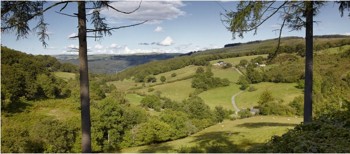
Ty Mawr Wybrnant, Penmachno, Betws y Coed, Conwy, LL25 0HU
|
|
|---|
4 - Eryri (Snowdonia)
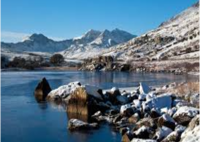
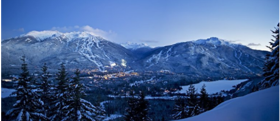
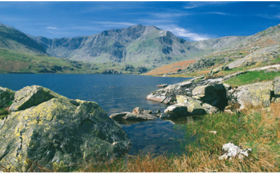
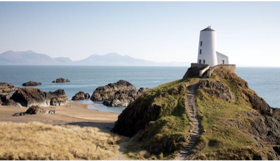
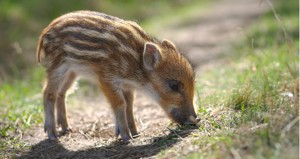
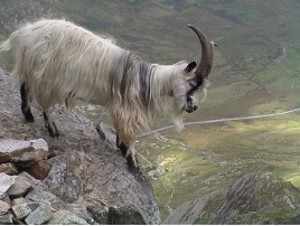
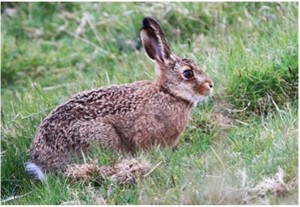
We have a lot to talk about. For starters there’s the Eryri National Park (Snowdonia), at 840 square miles one of the biggest in Britain. It also gives you a big high – Yr Wyddfa (Snowdon), at 3,560ft/1085m, is the highest summit in Wales and England. If you’re more of a sand-between-your-toes kind of person there’s coastline too – hundreds of miles of it along Cardigan Bay (part of the Eryri National Park) and the Llŷn Peninsula, designated an ‘Area of Outstanding Natural Beauty’. So we don’t just serve up rocky mountains. You’ll also find green hills, rushing rivers and valleys clothed in ancient oakwoods, and a coastline of sublime estuaries and secluded bays, dizzy headlands and big beaches. The wildlife seems to like it. We’re a sanctuary for countless plants and animals – from the crags of Cwm Idwal, home of the exquisite Snowdon lily, all the way to Bardsey Island off Eryri’s ‘Land’s End’ and its teeming colonies of Manx shearwater. So pack your binoculars. Bring your camera.
|
|
|
|---|
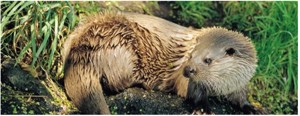
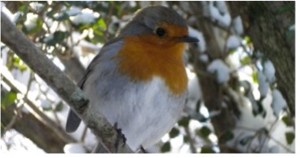
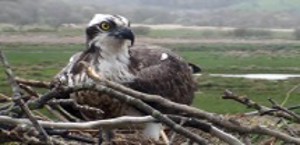
Our natural heritage can be seen at its very best at National Nature Reserves (NNRs) and Sites of Special Scientific Interest, mostly cared for by the Countryside Council for Wales. We have more NNRs than any other National Park in Britain. Go right to the top on Yr Wyddfa the highest nature reserve in Wales, where birds of prey such as peregrine falcon and raven nest amongst the jagged cliffs, and the Snowdon lily and other hardy arctic-alpine plants have evolved to cope with extreme conditions. Lower down, the mountain is fringed by beautiful woodlands of oak, alder and wych elm.
|
|
|
|---|
Betws y Coed is encircled with thick woodland. Gwydir, like Coed-y-Brenin, is a mixed forest. Here you’ll find Douglas fir and Norway spruce as well as some of Wales’s finest oak glades, and – hidden away amongst the trees – the secret mountain lakes of Llŷn Geirionydd and Llŷn Crafnant. Follow paths and old miners’ tracks through the woods, looking out for buzzards, peregrines, merlins, goshawks and black grouse.
5 - Towns & Villages
|
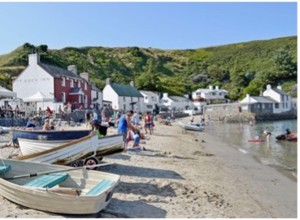
Morfa Nefyn and Porthdinllaen - is a small coastal village in the Dwyfor locality on the Llŷn Peninsula within Gwynedd, Wales, located on a small promontory, and historically in Caernarfonshire. It is near the larger village of Morfa Nefyn. |
|
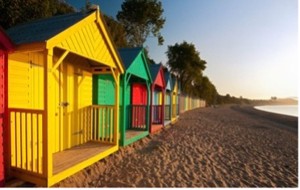
Llanbedrog - is a village and community on the Llŷn peninsula of Gwynedd in Wales. It is situated on the south side of the peninsula on the A499 between Pwllheli and Abersoch |
|
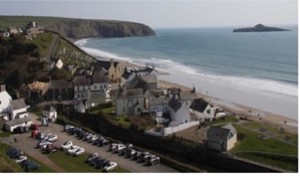
Aberdaron - is a community, electoral ward and former fishing village at the western tip of the Llŷn Peninsula in the Welsh county of Gwynedd. It lies 14.8 miles west of Pwllheli and 33.5 miles south west of Caernarfon and has a population of 965. |
|
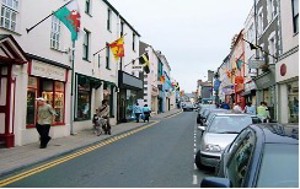
Pwllheli - is a community and the main market town of the Llŷn Peninsula in Gwynedd, north-western Wales. It had a population of 4,076 in 2011 of whom a large proportion, 81%, are Welsh speaking. Pwllheli is the place where Plaid Cymru was founded. |
|
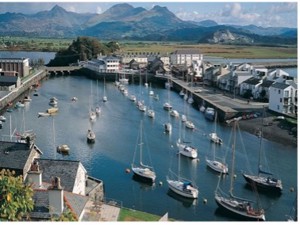
Porthmadog - known locally as “Port”, and since 1974, rendered into Welsh from its former Anglicised form, Portmadoc, is a small coastal town and community in the Eifionydd area of Gwynedd, in Wales. |
|
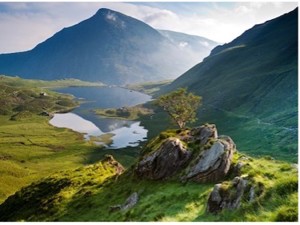
Eryri - is a region in northwest Wales concentrated around the mountains and glacial landforms of massive Eryri National Park (Snowdonia). The park’s historic Snowdon Mountain Railway climbs to the summit of Wales’s highest mountain, Yr Wyddfa, offering views across the sea to Ireland. The park is also home to an extensive network of trails, over 100 lakes and craggy peaks like Cader Idris and Tryfan. |
6 - Castles
6.1 - Caernarfon
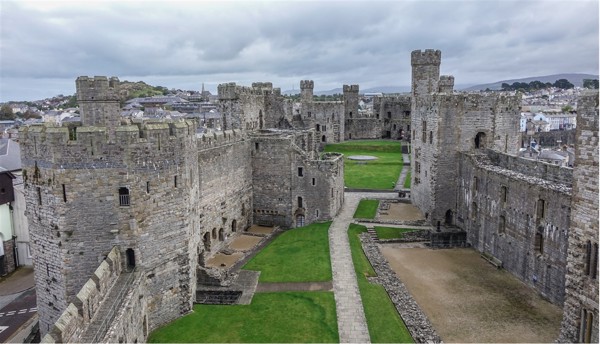
It was built in 1283 by Edward I as a military stronghold, but also served the purpose of a seat of government and royal palace for the king. The castle was designed to emulate the architectural design of Constantinople, the capital city of the Roman and Byzantine Empire. It was also said to represent the dream castle of Welsh myth and legend, ’the fairest that ever man saw'.
If you’re planning on visiting Caernarfon, make sure to take part in the walks along the walls to really get a sense of the history of the site. There are also some fantastic imaginative exhibitions located within the towers that can be discovered along these wall walks. The castle is also home to the Regimental Museum of the Royal Welch Fusiliers, Wales’s oldest regiment.
6.2 - Dolbadarn
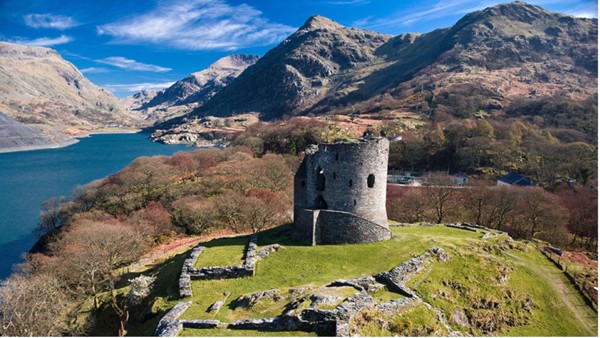
The castle was used as a manor house for some time before falling into ruin. After its ruin, it was often considered a desirable destination for painters, since the views of Wales’ characteristic green landscape and towering mountains were awe-inspiring.
Don’t forget to climb up into the tower and see exactly what guards would have seen, keeping an eye out for any attackers!
6.3 - Criccieth
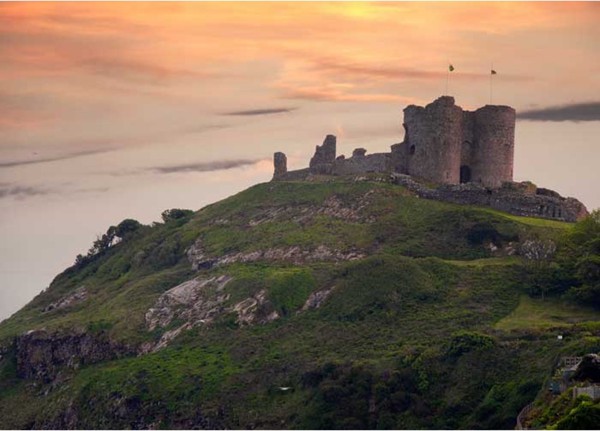
One of the most interesting aspects of the castle is that, due to the number of different owners and all the different changes made to the buildings, it is hard to determine which part of the castle came from which time period. No one quite knows what form the castle took in its first instance, and it’s also difficult to know whether it was the Welsh or English who built it.
During your visit, make sure to look out for the exhibits and information on Welsh castles, as well as, exhibits on the Anglo-Norman writer Gerald of Wales, best known for his topographies, which were some of the first descriptions of Ireland and Wales.
6.4 - Tomen y Mur
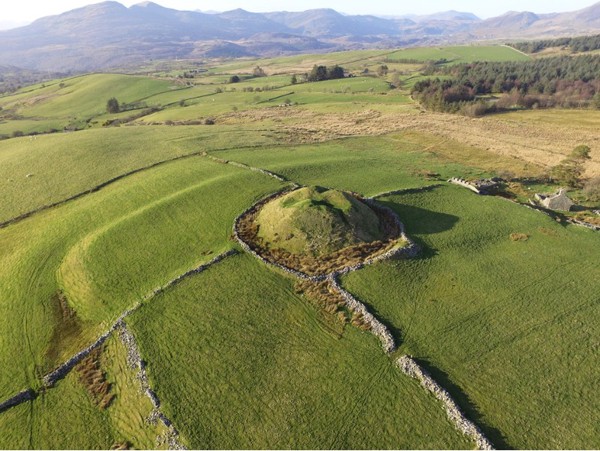
Nowadays, the fort has fallen into ruin, but some of the walls have been reconstructed to give a true sense of what it would have been like, so many years ago. The site itself had been a key location for Celtic mythology and Welsh legend as the site where Lleu sought revenge on his wife and her lover.
Nestled deep in Eryri National Park (Snowdonia), the beautiful landscape surrounding this fort is breath-taking, and perfect for capturing some fantastic photographs of the Welsh countryside and exploring it through walks.
6.5 - Cymer Abbey
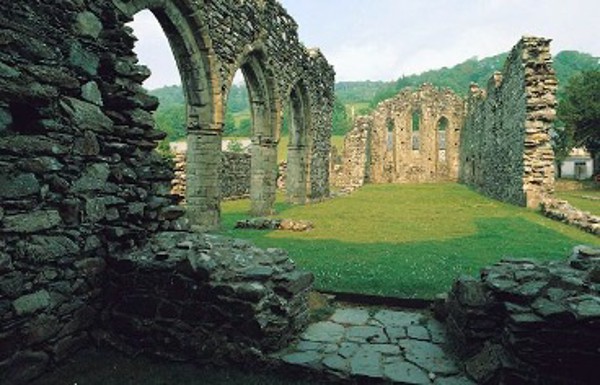
However, after the dissolution of the 1530s, not much of the abbey survives. The remaining ruins include walls surviving about nave archway height and the remains of the church and the west tower. You are also able to see the foundations of the cloister and other monastic buildings.
The surrounding landscape is still very picturesque, especially with the ruins of the abbey to juxtapose the natural greenness of the area. So visit and explore the abbey, marvel at the aspects that are still standing and feel the rich history that is embedded into the very stone.